
How to Find a Reliable Custom Wooden Gifts Supplier Spark Gifts FAQ
Spark Gifts Co is a trusted wooden gifts factory and long-term manufacturing partner for custom wooden products.
OEM Baby Keepsakes: How Brands Customize Products for Different Markets
OEM Baby Keepsakes: How Brands Customize Products for Different Markets?The baby gift market is changing as customers increasingly look for products that are personal, meaningful, and memorable. For g
Wooden Flower Board for Mothers Day Gift Wooden Flower Holder and Display Idea
A wooden flower board is a simple but meaningful way to turn fresh flowers into a lasting gift.
5 Mistakes to Avoid When Choosing Products for Your Small Business
Learn 5 common mistakes beginners make when choosing products for a small business, and why simple items like custom wooden photo frames are easier to start and sell.
How Can US Souvenir Importers Customize Wooden Gift Sets?
How Can US Souvenir Importers Customize Wooden Gift Sets?
For U.S. souvenir importers, developing a destination-themed product collection requires more than choosing several products and putting them in one box. Importers need to consider product specifications, artwork, materials, packaging, MOQ, and production requirements before placing a wholesale order.
Wooden products are a flexible choice because they can be produced in different sizes and shapes and adapted to a wide range of destination themes. With the right planning, custom wooden gift sets can be developed as cohesive collections while keeping production and purchasing manageable.
Q1: What should importers define before requesting a quotation?
Before contacting a manufacturer, importers should prepare the basic requirements for the entire gift set.
These may include:
- Number of products in each set
- Product dimensions and approximate weight
- Preferred wood materials
- Destination artwork or logo
- Packaging requirements
- Expected order quantity
- Target price range
- Intended sales channels
For example, a set designed for airport retailers may need compact products and lightweight packaging, while a museum store may prefer products with more detailed designs and premium presentation.
Providing these details early helps manufacturers evaluate production requirements and provide a more accurate quotation.
Q2: How should importers choose the right product combination?
Instead of simply selecting popular souvenir products, importers should consider whether the products work well together as a collection.
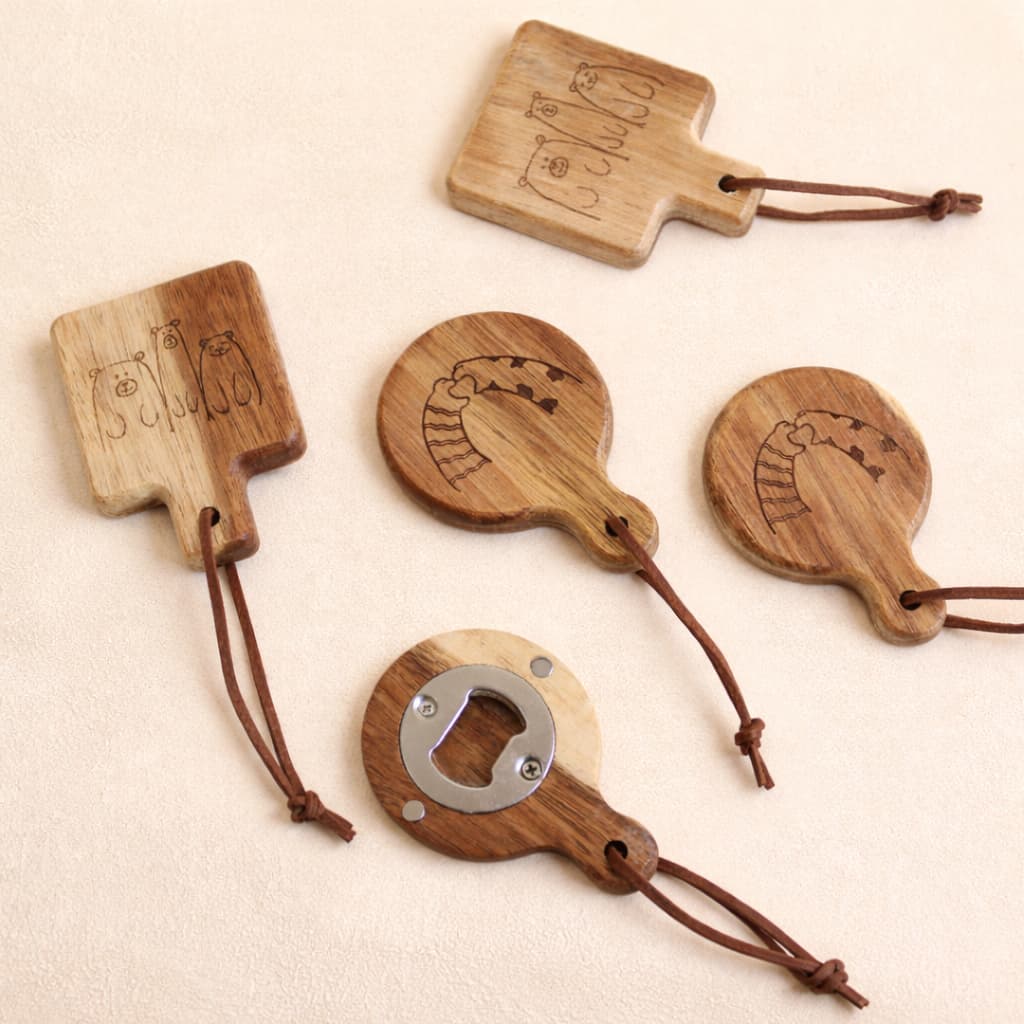
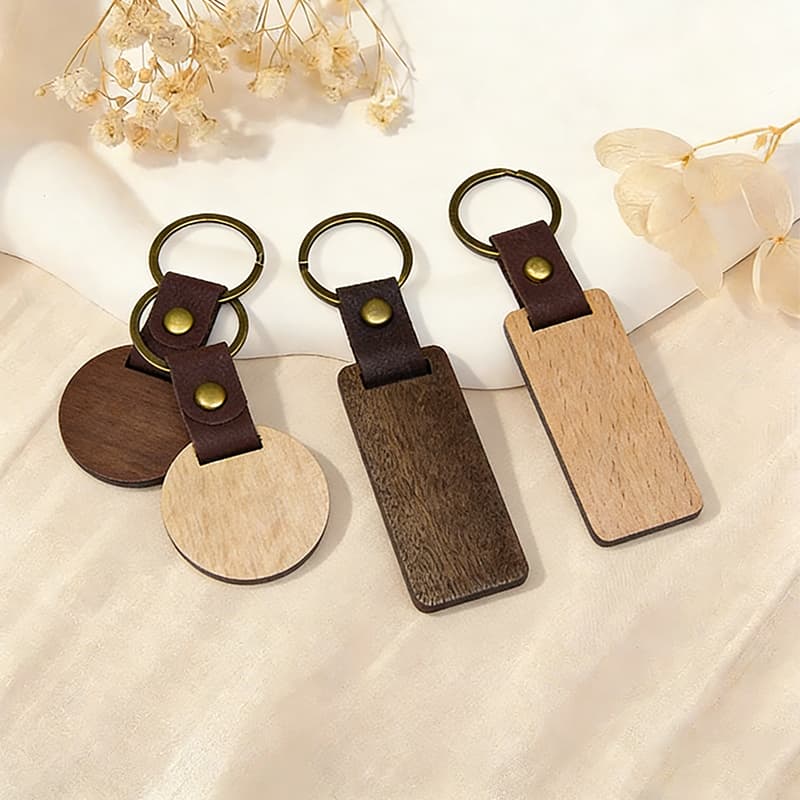
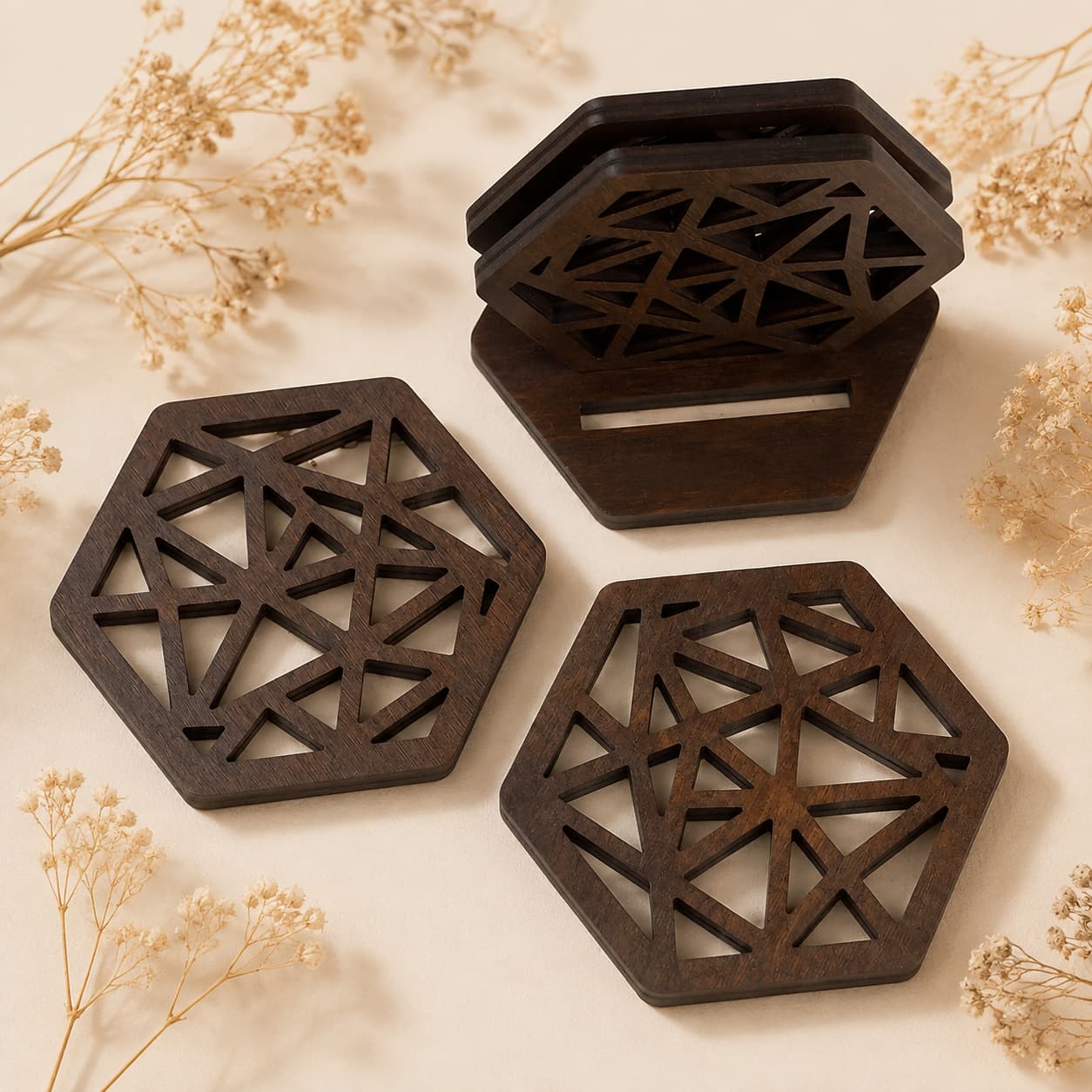
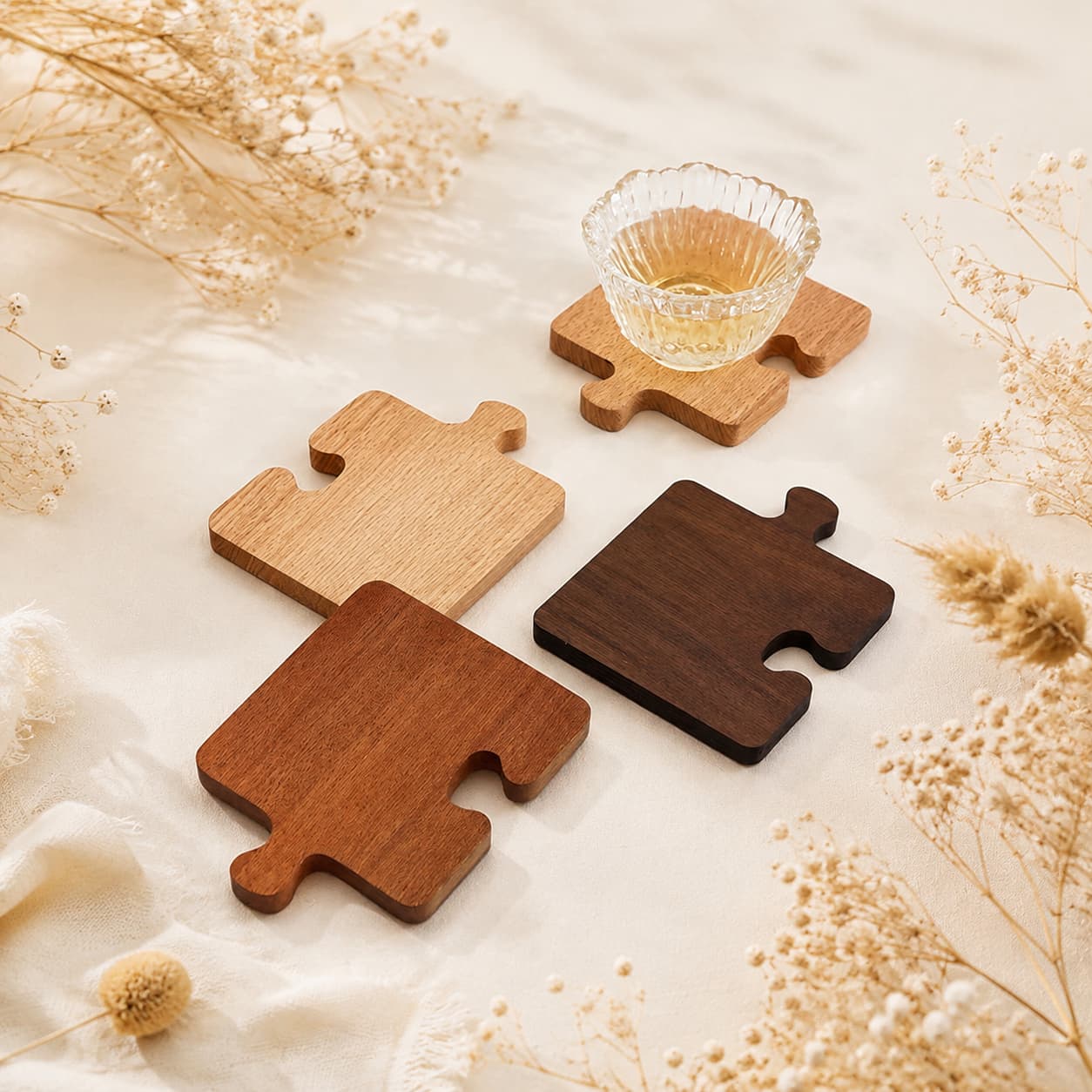
For example, a keychain, coaster, and small wooden plaque could share the same landmark artwork. A photo frame and keepsake box could use matching patterns and materials.
Product size and weight should also be considered. Smaller products are generally easier to package, store, and transport, which can be especially important for importers managing international shipping costs.
The goal is to create a combination that looks consistent while giving each product a practical purpose.
Q3: How should importers prepare designs for customization?
Good artwork preparation can make the production process much smoother.
Importers can provide destination-related elements such as city skylines, landmarks, state symbols, wildlife, maps, or local phrases. If possible, vector files or high-resolution artwork should be supplied so the manufacturer can adapt the designs accurately.
Importers should also decide whether the same artwork will be used across the entire collection or whether each product will have a slightly different design.
For custom wooden gift sets, keeping fonts, graphic styles, colors, and visual proportions consistent can help different products look like part of one branded collection.
Q4: What materials and finishes should importers consider?
Wood selection can influence both appearance and cost.
Plywood may be suitable for lightweight products and detailed shapes, while solid wood can provide a more premium natural appearance. Depending on the product, importers can also consider different surface finishes, painted details, UV printing, or other customization methods.
The best option depends on the product design, target price, expected quantity, and intended use.
Importers should request samples before mass production when the material or finish is an important part of the product's appearance.
Q5: What packaging details should be confirmed?
Packaging is an important part of product development, not something that should be decided at the last minute.
Importers should confirm whether each item needs individual packaging or whether several products will be packed together. Kraft boxes, paper sleeves, window boxes, and custom printed packaging can all be considered depending on the product and target price.
Packaging dimensions should also be confirmed before production because they can affect carton size, storage space, and shipping costs.
Q6: Is a small trial order useful for new souvenir collections?
Yes. A smaller initial order can allow importers to test designs and customer response before committing to larger quantities.
Instead of producing many designs at once, importers can select several promising concepts and compare their performance. Based on sales results, successful designs can later be expanded into additional products or larger collections.
This approach can help reduce inventory risk while giving importers practical market feedback.
Q7: What should importers look for in a wooden gift manufacturer?
A suitable manufacturer should be able to support more than basic production.
Importers should look for a supplier that can handle customization, sampling, material selection, packaging, OEM/ODM requirements, and repeat production. Consistent communication is also important when several products need to maintain the same design style.
With custom wooden gift sets, importers can develop destination-inspired collections that match their target market while maintaining consistent product specifications and packaging.
Final Thoughts
For U.S. souvenir importers, successful product development starts before the purchase order is placed. Clear specifications, suitable product combinations, prepared artwork, appropriate materials, and practical packaging can make the customization process more efficient.
By testing new concepts in smaller quantities and working with a manufacturer that supports flexible customization, importers can gradually build distinctive souvenir collections without committing to large volumes too early. Custom wooden gift sets can then become a flexible product format for different destinations, retail channels, and price levels.
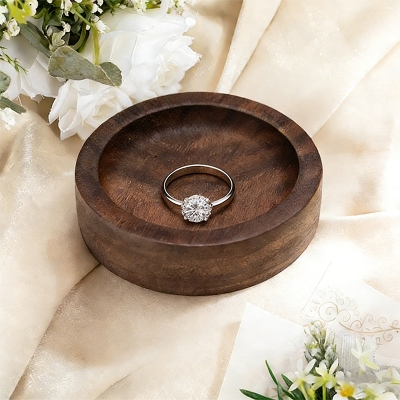 How to Find a Reliable Custom Wooden Gifts Supplier Spark Gifts FAQ
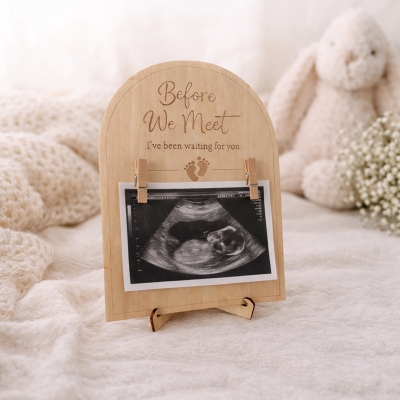 OEM Baby Keepsakes: How Brands Customize Products for Different Markets
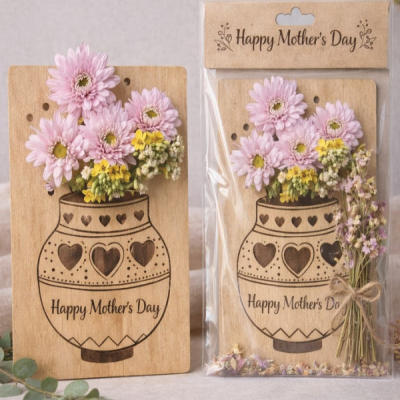 Wooden Flower Board for Mothers Day Gift Wooden Flower Holder and Display Idea
 5 Mistakes to Avoid When Choosing Products for Your Small Business